
Home > News > Industry News
When a bumper takes the hit in a parking-lot nudge or a low-speed scrape, the decision most shops and owners face isn't about brand—it's about whether to go OEM or aftermarket. The two options aren't as far apart as their price tags suggest, but the difference matters once you factor in who's buying and what the job actually requires.
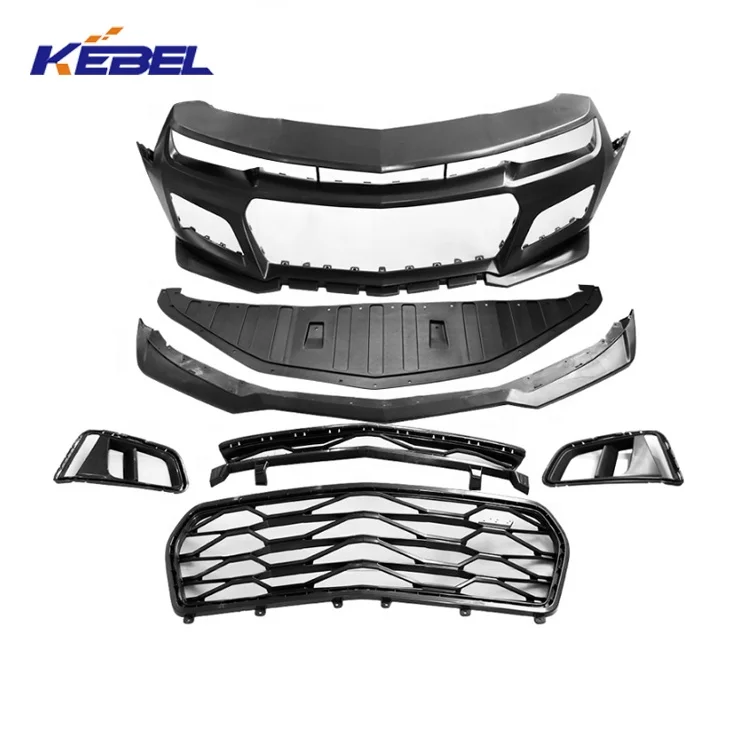
A bumper has two jobs. It absorbs the impact in a slow-speed collision, and it keeps the front or rear of the vehicle looking the way it should. Whether you're replacing a front bumper, a rear bumper, or a complete assembly, fitment and build quality are what turn a repair into either a clean result or a recurring problem.
OEM stands for Original Equipment Manufacturer. These parts are built to the vehicle maker's own specifications, with the same dimensions, mounting points, and appearance as the component that came with the car. The practical benefit is straightforward: it fits, because it is the original design. Installation usually goes without surprises, which is why body shops reach for OEM when a customer wants factory-spec work or a warranty calls for brand-authorized parts. The trade-off is cost. The price carries the brand, the manufacturer's tooling and standards, and the distribution chain that moves the box from the factory to the shop.
Aftermarket bumpers come from independent parts manufacturers that work from the original design. They are a large part of the global replacement market, and a well-made example—produced with proper molds, suitable material, and real quality control—will sit on the vehicle as cleanly as an OEM part for most everyday repairs. For wholesalers, distributors, and repair shops, that is where the appeal lies: lower cost, easier stocking, and broader model coverage. Most aftermarket catalogs carry replacements for the common nameplates—Ford, Chevrolet, Jeep, Toyota, Honda, GMC, and others.
The real distinction comes down to three things: who makes the part, what it costs, and who it is for. OEM holds the edge on specification consistency and brand match. Aftermarket holds the edge on flexibility, price, and how easily you can source it. An owner who wants the exact original part back on the car will usually choose OEM. A repair business or a distributor serving multiple markets will usually find aftermarket the more workable choice, since it delivers the same result on the vehicle while protecting margin.
That does not mean every aftermarket bumper is worth fitting. When you source them, the details decide the outcome. Confirm that the fitment data names the exact model and production years. Check that OEM reference numbers are included so the part can be cross-checked. Ask about the material and the manufacturing process. Look at how long the supplier has been in the business and what their quality control actually involves. And make sure they can keep supplying the same part consistently, month after month—because a one-time good order does not help if the next shipment does not match.
For buyers ordering across borders, the supplier is as important as the part itself. A capable supplier lays out the essentials up front: vehicle model, production years, mounting position, OEM number, and clear product photos. That information is what keeps the wrong-order rate down and keeps the parts consistent from one shipment to the next.
Neither option is objectively better. OEM gives you the original specification, without qualification. Aftermarket gives you room to move on cost, supply, and selection. For wholesalers, distributors, and repair shops, a reliable aftermarket supplier is typically the more practical partner—it is how you hold margin, keep inventory available, and cover more vehicles without tying up capital in OEM pricing.
 Hot News
2026-09-15
2026-09-08
2026-09-05
2026-08-27
2026-08-21
2026-08-07
Copyright © Yiwu Ronwin Import and Export Co., Ltd. All Rights Reserved - Privacy Policy
 EN
EN