
Home > News > Industry News
If you're wondering whether to swap your halogen bulbs for LED headlights, the short answer is: for most drivers, yes — LED wins on brightness, lifespan, and energy use. But halogen isn't dead, and in a few situations it's still the smarter buy. Here's the honest comparison:
The pattern is clear: halogen is cheap to buy but expensive over time; LED costs more up front and saves money for years. The rest of this guide explains exactly what those differences mean on the road — and what to check before you upgrade.
Halogen bulbs have been the automotive standard for decades, but they're fundamentally inefficient: a 55W halogen bulb converts most of its energy into heat, leaving only about 1,000–1,500 lumens of visible light. A comparable LED bulb draws less power yet produces roughly 2–4x more light — the difference is obvious the first night you drive with them.
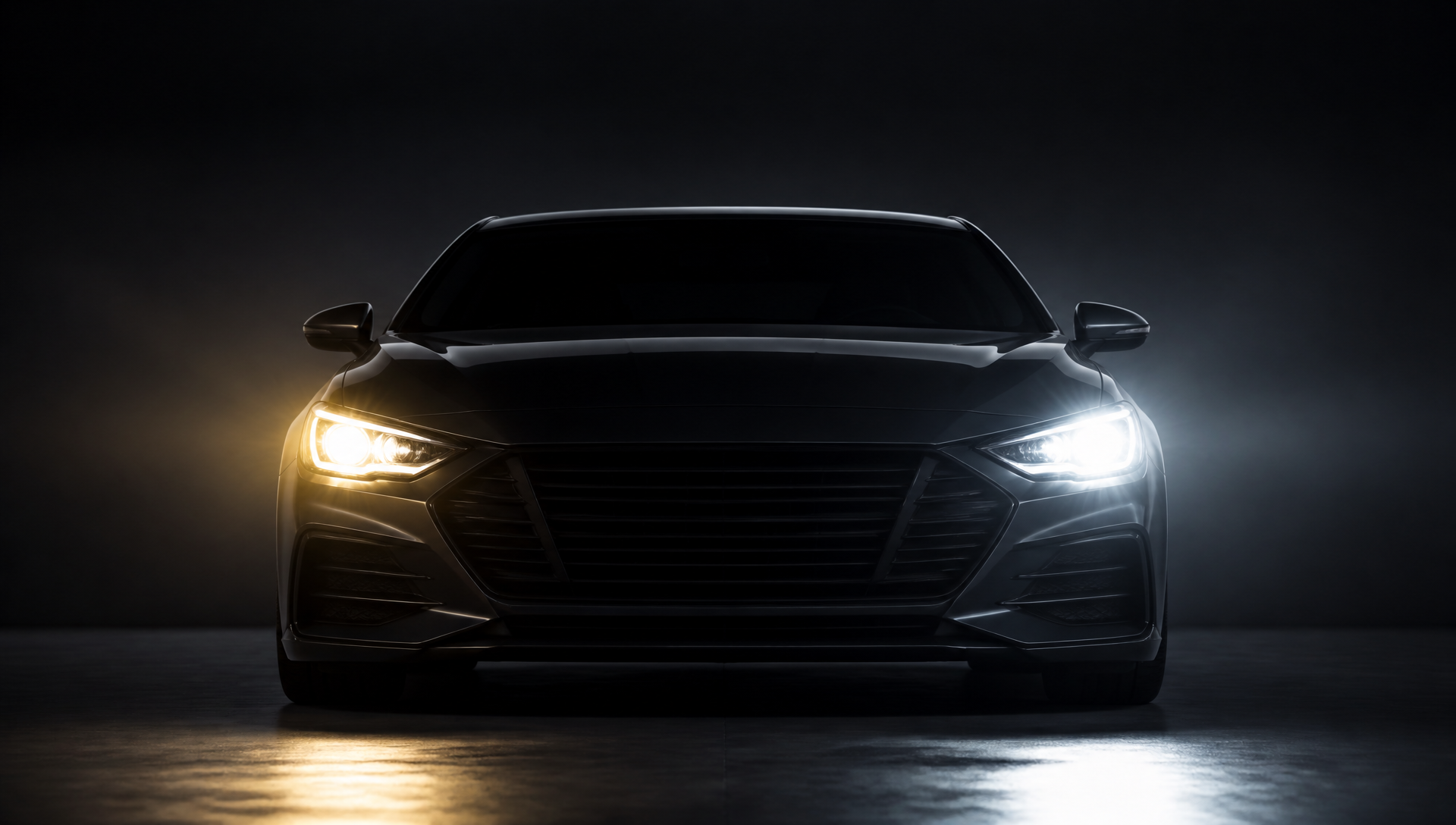
Halogen produces a warm, yellowish glow around 3,000K. LED headlights typically run 5,000–6,500K — a clean white that's closer to daylight. This matters more than aesthetics: white light increases contrast at the road edge, making potholes, animals, and lane markings easier to spot earlier. That's why most new cars now ship with LED or HID lighting as standard.
Here's the honest caveat: raw brightness is only half the story. A good beam pattern matters as much as lumens. Halogen bulbs are designed to work with reflector housings; an LED bulb has a different emitter shape, and in some reflector housings it can scatter light unevenly — creating glare for oncoming drivers or dark spots in your beam.
If your car has projector headlights, LED swaps are usually clean and effective. If it has older reflector housings, check reviews for your specific vehicle model, or consider a full LED headlight assembly with a housing designed for the emitter layout. This single step separates a great upgrade from a disappointing one.
For anyone who regularly drives unlit roads, the difference isn't cosmetic — it's reaction time. Whiter, brighter light lets drivers identify hazards farther ahead, which is why the safety argument for LED headlights is the strongest one in this guide. If you've ever caught yourself straining to see a deer or a curve edge with yellow halogen light, you already know exactly what the upgrade fixes.
This is where the economics flip against halogen.
A halogen bulb lasts roughly 450–1,000 hours of use. With typical nighttime driving, that's about one to two years before burnout. LEDs are rated for 15,000–50,000 hours — in practice, most drivers never replace them for the life of the vehicle.
Run the numbers over five years:
Halogen's only real advantage is the initial price. If you change bulbs yourself, the up-front gap is small; if you pay a shop, halogen can actually cost more over five years once repeated labor is added up.
Cold weather adds another twist. A halogen filament runs hot enough to melt light snow and ice off the lens as you drive, while LED lenses run cool and can collect snow in heavy flurries — a small trade-off worth knowing if you drive through real winters. Some LED owners in snowy regions add heated lenses or simply keep a scraper handy; for most, the brightness gain outweighs the occasional lens clearing.
Before you order LED headlights, run through this four-point checklist — it prevents 90% of failed upgrades.
Your car uses a specific bulb size (H4, H7, 9005, 9006, H11, etc.) and connector type. Match the LED bulb to your vehicle's existing size — this is the #1 compatibility factor, and it's printed on your old bulb's base or in your owner's manual.
Not sure which size your car takes? Three fast ways to find out: read the code printed on the base of your current bulb, look up the bulb chart in your owner's manual, or use a fitment tool by entering your year, make, and model. Guessing at "the universal one" is the fastest route to a return — when in doubt, confirm with your VIN before ordering.
LEDs run cooler than halogen at the bulb face, but the driver chips generate heat that must be dissipated — that's what the fan or heat-sink fins on the back of the bulb are for. Check that the cooling fan fits inside your headlight housing with the dust cover on. If the cover won't close, water and dust will shorten the LED's life dramatically.
Many modern cars monitor bulb health electrically. A halogen-to-LED swap can trigger dashboard error messages or rapid-flash behavior in vehicles with canbus systems. If your car is affected, choose LEDs with a built-in canbus decoder or add load resistors.
Upgrading bulbs is the perfect moment to check the housing itself. Cloudy, yellowed lenses cut your new LED's output by up to 30%. If the lens is fogged or the seal is cracked, restore or replace the housing first — otherwise you're paying for light that never reaches the road. A clean housing with fresh LED bulbs is the single biggest visibility upgrade most cars can get.
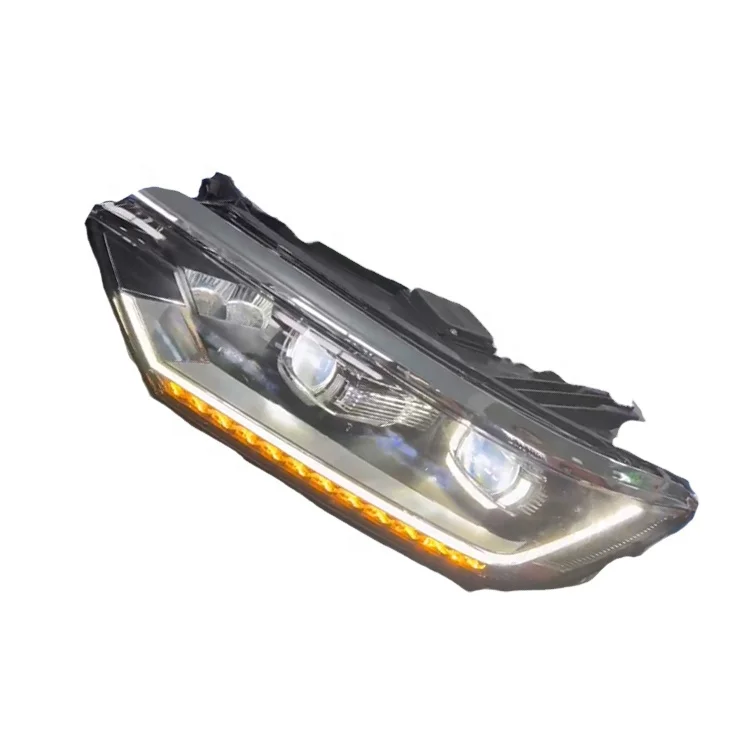
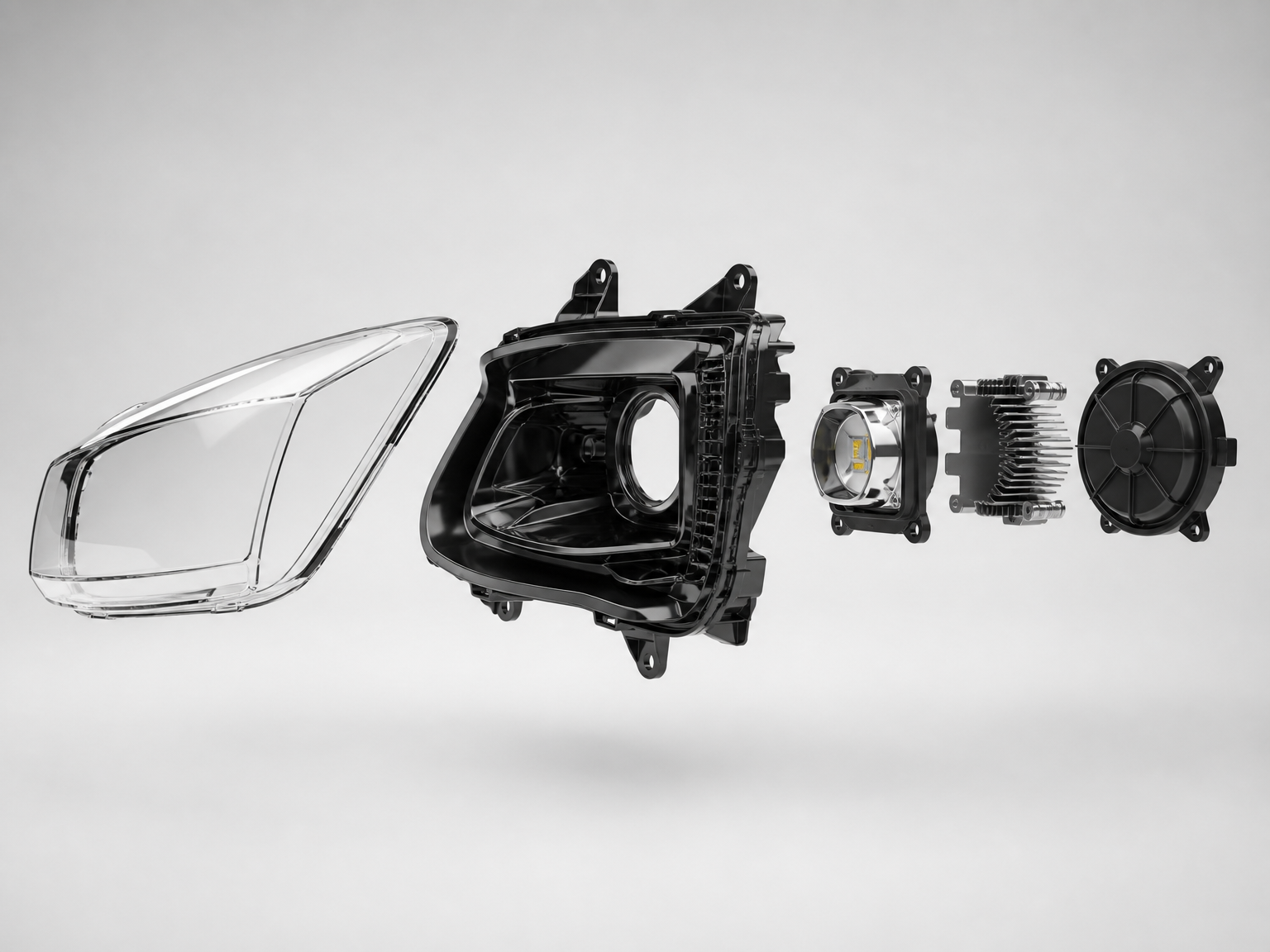
If the whole assembly needs replacing, that's where a complete LED headlight unit — housing, lens, and emitter matched by the manufacturer — removes every compatibility question at once.
Q: Are LED headlight upgrades legal? A: In most regions, yes, with a condition: the beam pattern must not create excessive glare for oncoming traffic, and the light must be white (not blue). Check local regulations and look for bulbs marked as road-legal in your market.
Q: Will LED bulbs fit my car without modification? A: Most plug-and-play LED bulbs fit the standard socket sizes (H4/H7/H11/9005/9006). The main fitment check is whether the cooling fan fits inside your housing with the dust cover closed.
Q: Can I just replace the bulb, or do I need a new housing? A: With projector housings, a bulb swap usually works well. With old reflector housings, the beam pattern may scatter — many drivers then choose a full LED assembly instead of fighting glare.
Q: Why do my new LEDs trigger a dashboard warning? A: Your car's canbus system detects the lower power draw of LEDs as a "failed" bulb. Choose LEDs with a built-in decoder or add load resistors to clear the error.
Q: Do LEDs really last 50,000 hours? A: That's the rated lifespan under ideal conditions; real-world life depends on heat management and housing sealing. Even at a conservative estimate, most drivers will never replace LED bulbs — versus every one to two years for halogen.
Here's the decision framework, by scenario:
Two more quick calls: for fog lights, many drivers deliberately keep halogen or yellow bulbs — the warm tone cuts through fog better than white light, and fog lights work best at close range. For high beams, LED is a pure win on rural roads, where maximum reach matters most. If you're upgrading gradually, do the low beams first — that's where you'll notice 90% of the difference.
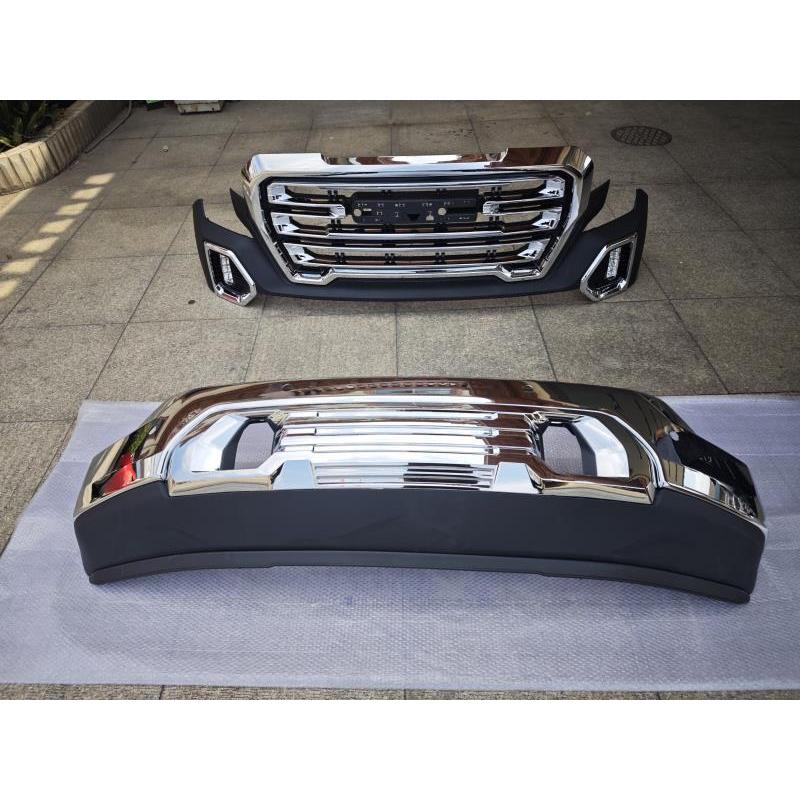
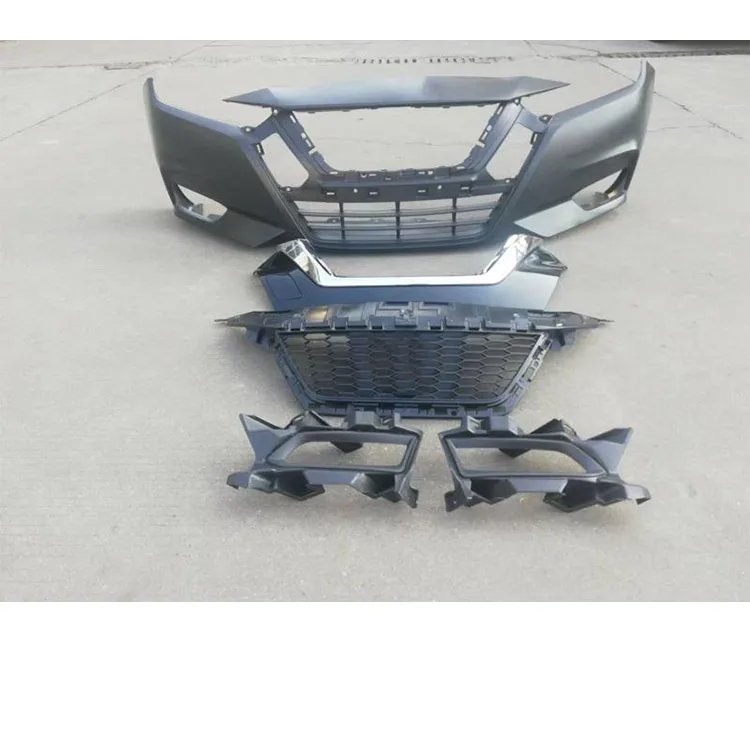
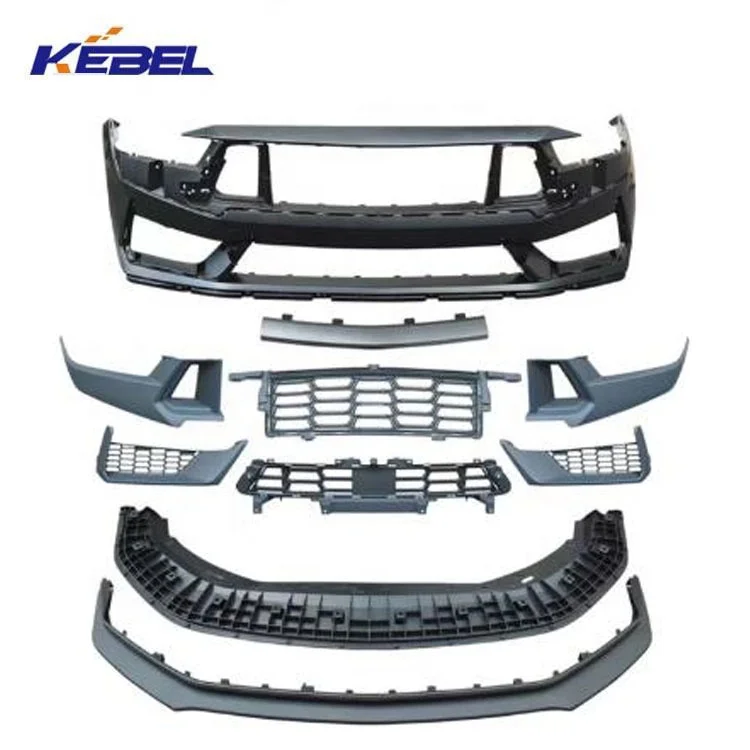
Whichever way you go, don't neglect the housing itself. At KEBEL, we stock LED headlight assemblies, crystal-clear replacement housings, grilles, and the full range of auto body parts — matched to your make, model, and year so the upgrade fits the first time. Foggy lens? Cracked housing? Worn bulb? We'll help you put the right light back on the road.
Browse LED headlights and replacement assemblies at kebelcarbumper.com — or send us your VIN and we'll confirm the exact fit before you buy.
 Hot News
2026-10-08
2026-09-29
2026-09-15
2026-09-08
2026-09-05
2026-08-27
Copyright © Yiwu Ronwin Import and Export Co., Ltd. All Rights Reserved - Privacy Policy
 EN
EN