
Home > News > Industry News
 3 Things to Check Before You Buy
Choosing a car grille isn't just about looks — it's the front-line component that protects your radiator, directs airflow to the engine, and defines your vehicle's face. Get it wrong, and you'll either end up with a grille that doesn't fit, one that rusts within a season, or one that costs more to install than it did to buy.
Here are the three things that matter most, in order of importance:
A car grille is not universal. A grille built for a 2021 Ford F-150 will not mount on a 2020 model, even though the difference looks minor. Before you search for "auto grille" listings, write down your vehicle's exact make, model, year, and trim level. Then match those against the grille's compatibility list — reputable sellers publish this on every product page.
Pro tip: If a listing says "fits most vehicles," treat it as a red flag. Precision fitment is the #1 reason aftermarket grilles get returned.
Don't stop at the model name either — trims with different front bumpers, sensors, or camera packages can change grille geometry even within the same year. When a part page lists multiple trims, double-check the one that matches your VIN. If the seller offers a fitment-check service, use it: it takes two minutes and eliminates the most common source of returns.
The material decides how the grille looks, how long it lasts, and what it costs:
If you live in a coastal area or a region with heavy road salt, skip bare steel and choose ABS or aluminum — corrosion is the fastest way to ruin a new grille.
OEM grilles usually use clip-in tabs; many aftermarket grilles use screws or bolts. Before buying, check how your factory grille attaches and whether the new one ships with the required hardware. A grille that needs extra brackets you don't have will turn a 30-minute install into a workshop project.
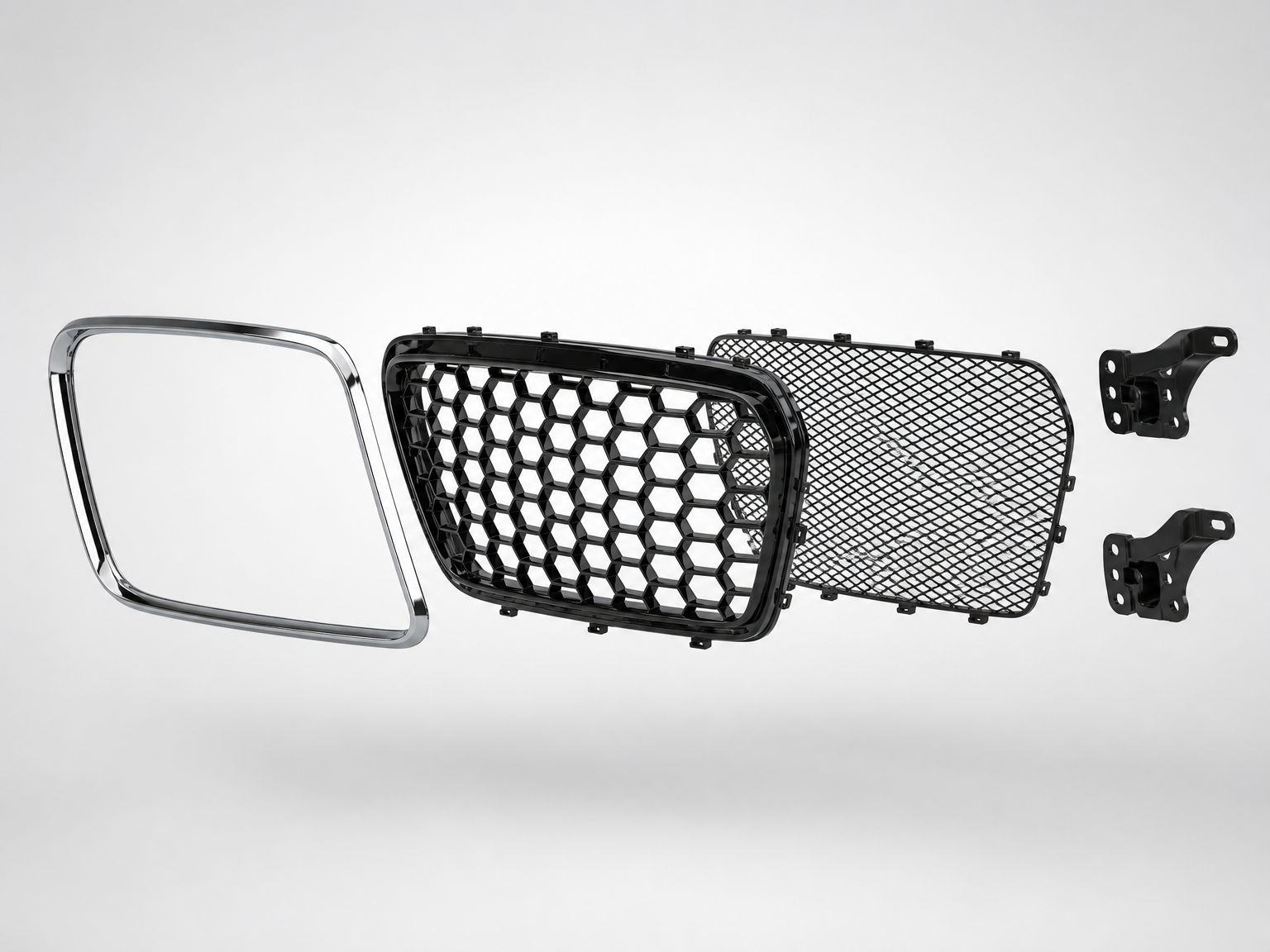
Once fitment and material are settled, the fun part begins — choosing a style. Three designs dominate the market:
If you can't decide: mesh suits most passenger cars, billet suits trucks, honeycomb works for both. Your car grille style should complement the vehicle's body lines — a billet bar grille looks out of place on a sleek coupe, just as a fine mesh looks odd on a heavy-duty pickup.
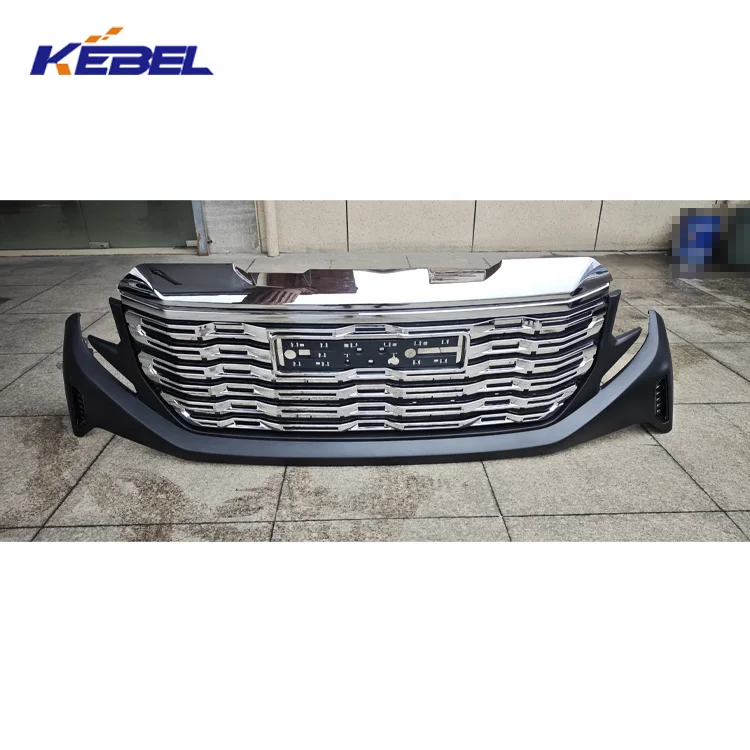
Beyond the three classics, you'll also see chrome-trimmed grilles (a factory-style upgrade that adds a polished border), LED-integrated grilles (popular on newer trucks), and color-matched mesh wraps. Whatever you choose, keep the opening proportionate to the bumper gap below — a grille that's dramatically wider or narrower than the bumper opening looks off no matter how good the finish is.
Bottom line: If your factory grille is damaged and you want a like-for-like replacement, OEM is the safe call. If you want a custom look, better airflow, or a better price, go aftermarket. For older or discontinued models, aftermarket is frequently the only realistic option — which is where good aftermarket brands earn their reputation.
When buying aftermarket, treat the seller's fitment guarantee as a core requirement, not a nice-to-have. A grille that fits on the first try saves you shipping, labor, and a week of waiting.
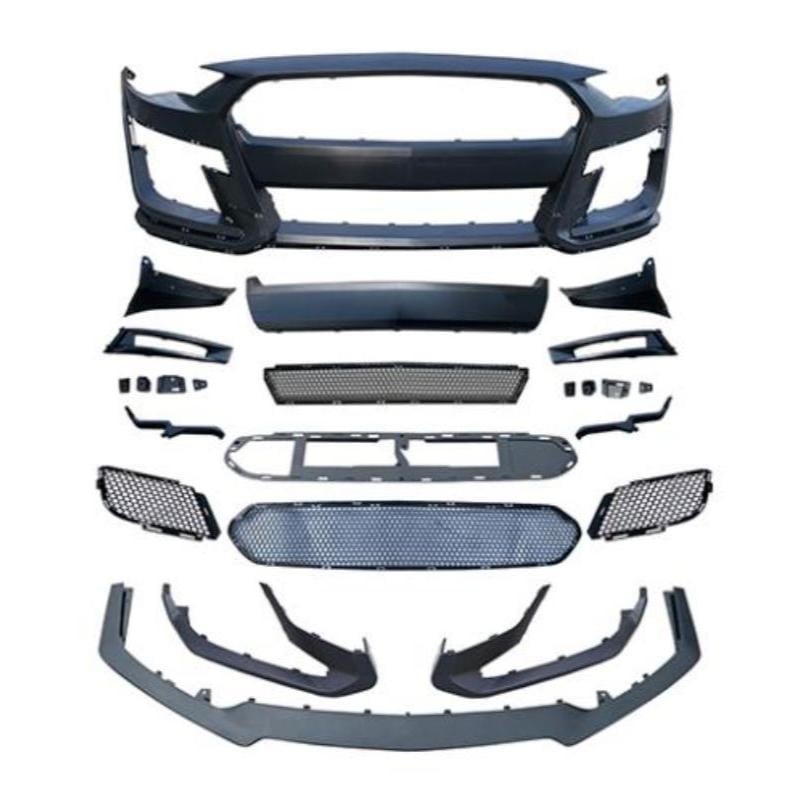
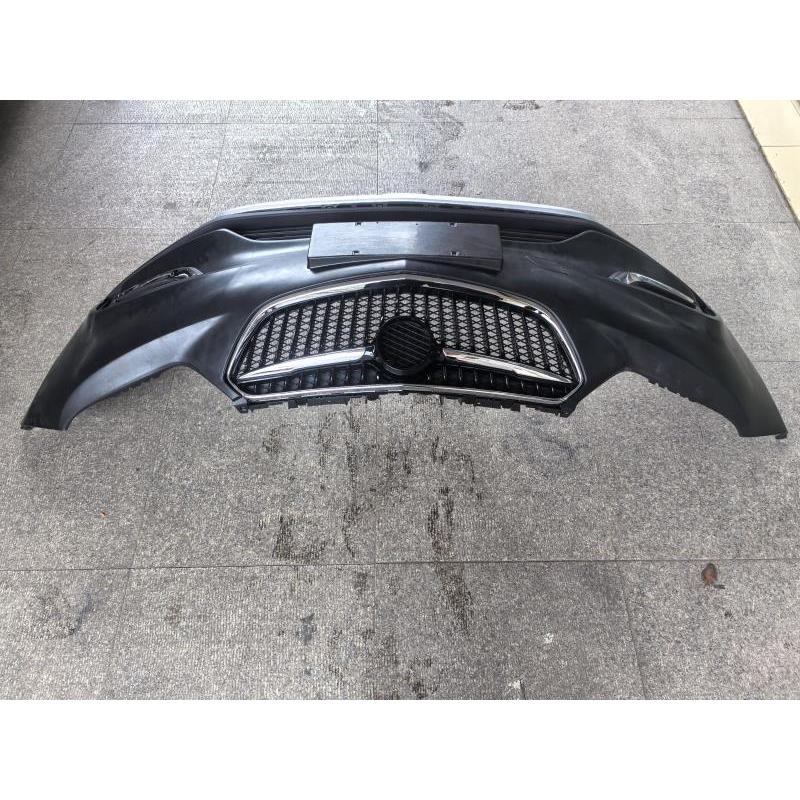
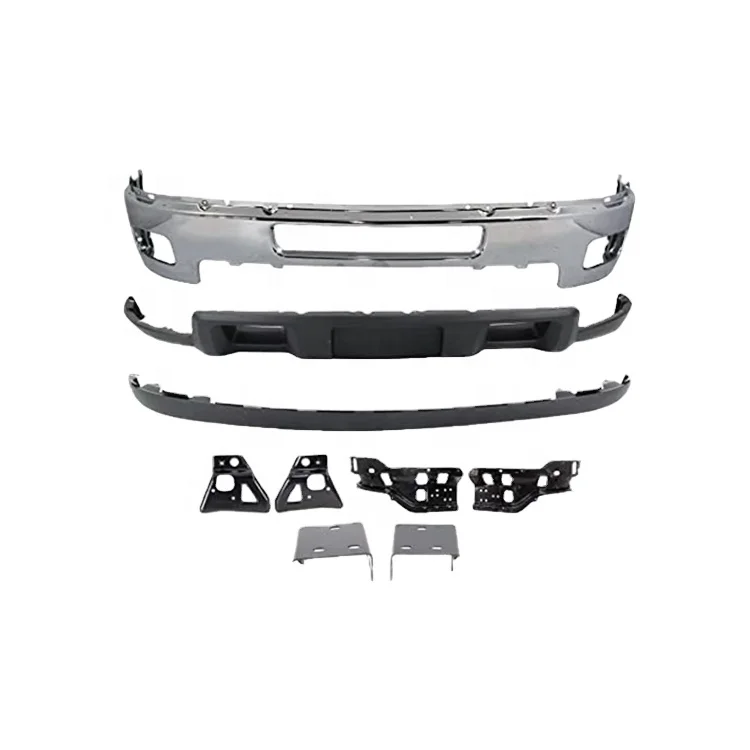
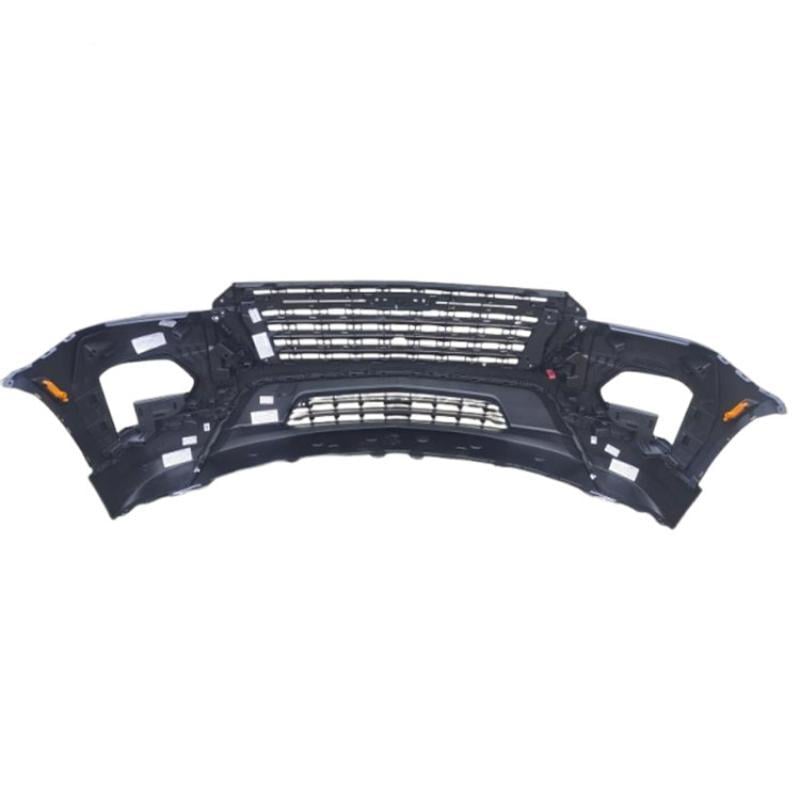
Budget matters too, but don't make it the only variable. A $40 no-name grille that arrives warped, with missing brackets, costs you a return-shipping fee and a week of downtime; a mid-range part from a brand that backs its fitment often pays for itself in one install. If you're upgrading the grille and the bumper together — common when drivers switch to mesh fronts — order both from the same source so the panels line up as a set, rather than chasing mismatched gaps between separately purchased auto body parts.
Most grille swaps are a weekend DIY job. Here's the sequence that works for clip-in and screw-in designs alike:
Watch out for: front-facing cameras, parking sensors, and hood latch mechanisms — aftermarket grilles sometimes need minor trimming around these. Read the product notes before you start, and you'll avoid 90% of install headaches.
Plan for 30–60 minutes on your first install, and keep a trim removal tool set handy — it's the difference between a clean job and a scratched bumper edge. If a clip snaps, most aftermarket grilles ship with a few spares; if yours doesn't, buy a generic clip kit before you start. And when in doubt about a step, check the product page for install photos or video before forcing anything.
Q: How much does a car grille replacement cost? A: Aftermarket grilles typically range from 300 depending on material and style; OEM grilles often run 800 plus labor. A DIY install costs nothing beyond the part.
Q: Can I paint my new grille? A: Yes — ABS plastic grilles take automotive primer and paint well. Sand lightly, prime, and use flexible plastic paint for best results. Powder-coating works for aluminum.
Q: Will an aftermarket grille affect my warranty? A: Generally no, but it depends on the issue. A grille-related problem may not be covered; unrelated mechanical failures remain covered. Check your warranty terms.
Q: How do I know if a grille fits my car? A: Match the make, model, year, and trim listed on the product page against your vehicle. When in doubt, contact the seller with your VIN before ordering.
Q: Do mesh grilles reduce cooling performance? A: No — mesh and honeycomb designs typically improve airflow over solid OEM bars, which is why they're popular on performance builds.
Choosing the right car grille comes down to three decisions: fitment first, then material, then style. Check your make/model/year, match the material to your climate, and pick a design that suits your vehicle's character. Pair that with a quality aftermarket part that ships with mounting hardware, and the install is a comfortable afternoon project.
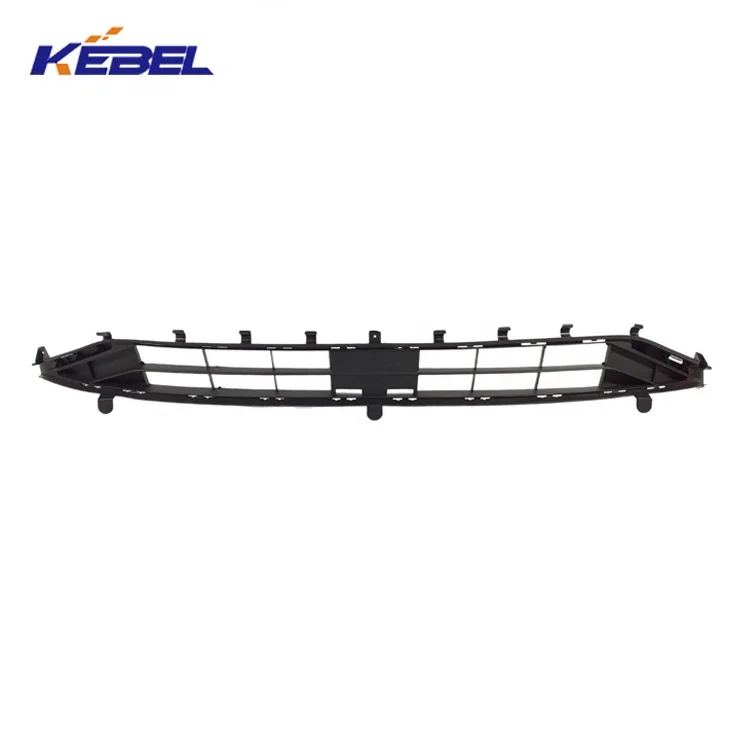
At KEBEL, every auto grille and auto body part we ship is fitment-checked and backed by real-world support — so you can order with confidence and install with ease. Whether you're replacing a damaged grille, upgrading to mesh, or rebuilding the whole front end with new car panels, we've got the part that fits.
Once installed, a quick seasonal check keeps your grille looking new: rinse out bugs and debris with a gentle spray, touch up any stone chips before they rust, and re-torque mounting screws after the first month of driving. Small upkeep, long lifespan.
Browse our car grille collection at kebelcarbumper.com — or contact us with your VIN and we'll match the right grille for your vehicle.
 Hot News
2026-10-08
2026-09-29
2026-09-15
2026-09-08
2026-09-05
2026-08-27
Copyright © Yiwu Ronwin Import and Export Co., Ltd. All Rights Reserved - Privacy Policy
 EN
EN