 EN
EN

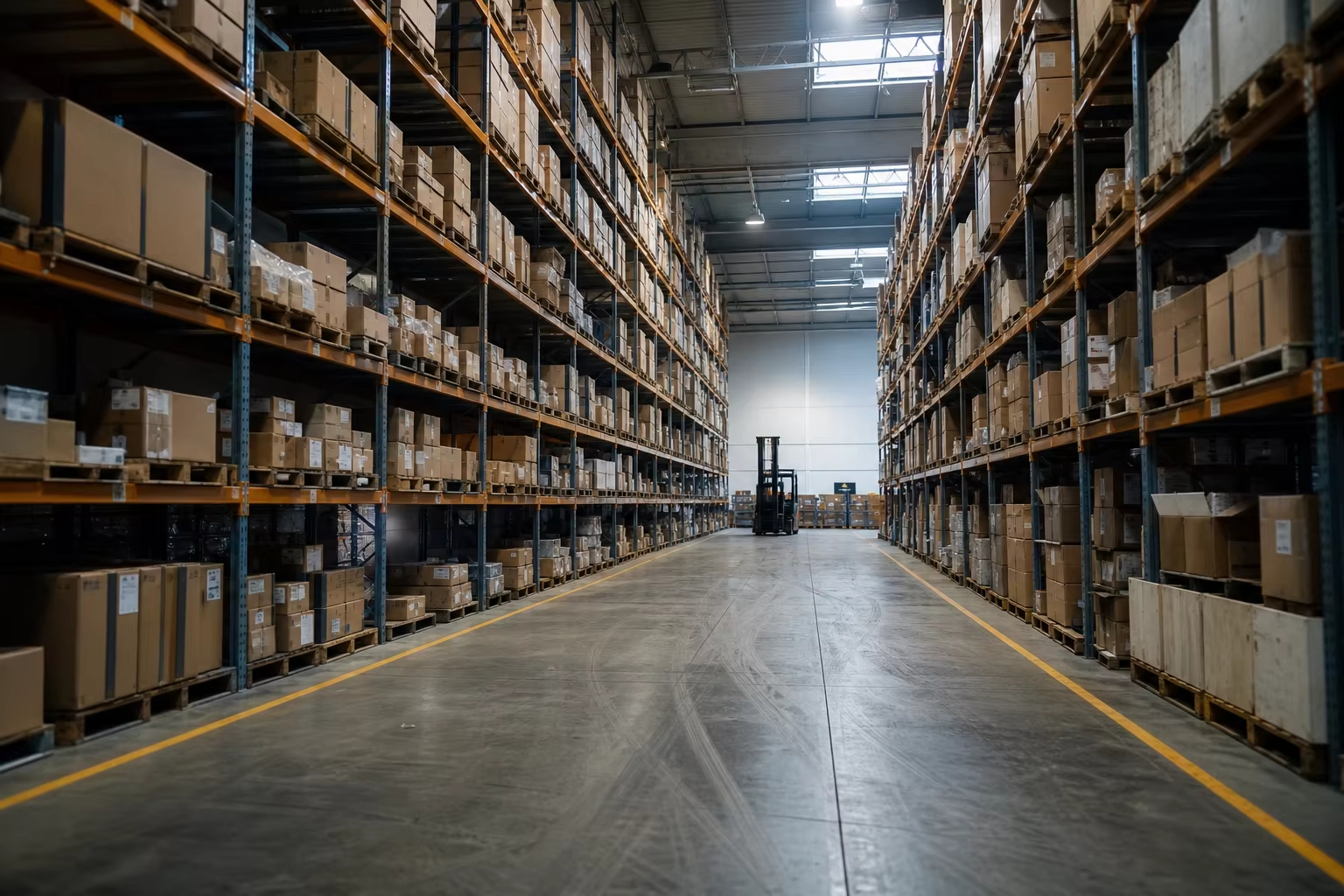
The global automotive aftermarket is not a growth story in the tech sense. It grows a little over 3% a year, with no hype cycle attached. But it is a half-trillion-dollar market, and in 2026 several structural shifts are happening at once: Asia Pacific has become the largest region, e-commerce is growing at roughly three times the market's overall rate, and the EV transition is quietly redrawing which parts matter.
For anyone who buys, sells, or manufactures auto parts, the direction of those shifts matters more than the headline number. This is the state of the global auto parts market as of late 2026, built only on published data — and what the data says about where demand is actually going.
A $509.8 Billion Market That Grows Like Infrastructure
The global automotive aftermarket was valued at USD 489.5 billion in 2025, is estimated at USD 509.8 billion in 2026, and is projected to reach USD 643.8 billion by 2033 — a CAGR of 3.4% (Grand View Research, 2026).
Three things to keep in mind when reading those numbers:
- 3.4% is roughly the pace of global nominal GDP. This is an "infrastructure" market that grows with the vehicle parc, not with sentiment. It does not get called out in earnings surprises, but it is one of the most durable industrial markets in the world.
- The fleet underneath it keeps aging. The average U.S. light vehicle reached 12.8 years in 2025 (S&P Global Mobility), and the European and Japanese fleets are aging along with it. Older vehicles need more replacements — body panels, brakes, lamps, cooling components — and aging is the single most reliable driver in the entire model.
- Scope matters. That figure covers replacement parts, accessories, and aftermarket service. It is a different number from the OEM parts market, and most of the confusion in trade press comes from mixing the two. When a "market report" cites a number wildly different from others, check the scope before anything else.
The Regional Map Has Already Changed
The most consequential shift in the data is geographic. Asia Pacific is now the largest region, with a 29.4% revenue share in 2025, and it is also the fastest-growing region through 2033 (Grand View Research). That flips the old assumption that the aftermarket is a North American story: China, India, and Southeast Asia are now adding vehicles and aging their fleets at the same time, which compounds demand.
The United States remains the largest single country. Its depth comes from three stacked factors — an aging fleet, a mature collision-repair ecosystem, and high per-vehicle replacement spend. Europe is the compliance-driven market: emissions and safety homologation set the rules, and certifications are gatekeepers rather than marketing lines. Latin America and the Middle East & Africa remain small in absolute terms but are where the next fleet-growth decade will be decided.
The practical implication for a supplier is not "pick one region." It is that a portfolio spanning mature, high-spend markets (U.S., Western Europe) and growth markets (India, ASEAN) smooths out exactly the tariff and currency swings that single-market players absorb in full.
How the Market Actually Sells Parts
The channel data is where the strategy hides. As of 2025 (Grand View Research):
Two readings matter. First, genuine parts still hold just over half the certification mix — which is exactly why the cost and fitment arguments for quality aftermarket parts keep being won at the table (a full breakdown is in our aftermarket vs OEM analysis). Second, wholesale & distribution is the fastest-growing distribution channel, because it is where the online aftermarket is built.
That is the number in the whole dataset that deserves the most attention: auto parts e-commerce is forecast to grow from USD 98.4 billion in 2025 to USD 243.7 billion by 2034, a CAGR of 10.6% (Dataintelo) — more than triple the overall market growth rate. E-commerce is not a channel the aftermarket is moving into. It is the channel the aftermarket is moving toward.
And e-commerce punishes exactly one thing: fitment uncertainty. A buyer filtering "my exact year, trim, and market variant" converts. A buyer who has to email and wait does not. Fitment data quality has quietly become a sales capability, not just a product attribute.
The Three Forces Capping Growth
Every market report lists headwinds; these three are the ones actually showing up in the 2026 data and trade press:
- Counterfeit and low-quality parts. This is the persistent restraint: parts sold far below cost, failing to meet standards, and eroding buyer trust in the whole category (Grand View Research). For a compliant supplier it is a pricing problem; for a buyer it is a fitment problem wearing a price tag.
- Trade friction and supply chains. Tariffs on vehicles and parts, plus deliberate re-routing of supply chains, were among the top industry concerns entering 2026 (Wards Auto). The effect on the parts trade is two-way: costs move, and buyers increasingly reward suppliers who can ship on clear terms — DDP, agent-to-warehouse, landed pricing.
- Raw material volatility. Steel and polymer costs swing with commodity markets, and exterior body parts — large, painted, shipped by volume — sit squarely in that exposure. Quote stability is itself a differentiator now.
What the EV Shift Actually Means for Parts
The honest version is more nuanced than "EVs will kill the parts market."
On the reduction side: an EV has no oil, fewer belts and filters, no exhaust — routine service events fall, and several traditional part categories shrink with them. On the addition side: the same vehicles create demand for battery diagnostics and replacement, thermal management components, charging equipment, and software-related maintenance (Grand View Research). For an exterior-parts supplier the shift is even gentler — a bumper, grille, hood, or lamp is a bumper, grille, hood, or lamp on any powertrain, and EVs still get dented, crashed, and facelifted.
There is also a timing fact the doom scenarios miss: EV adoption has been held back as much by affordability as by range (Yahoo Finance, July 2026). That means internal-combustion fleets stay on the road longer, and the replacement-parts demand for them extends further out than the fleet-mix charts suggest. Plan for a long transition, not a cliff.
What This Means for Buyers and Suppliers
Pull the threads together and five practical conclusions stand out for anyone sourcing or supplying parts in 2026 and beyond:
- Fitment data is the new moat. With e-commerce growing at 10.6% and vehicle-specific search driving conversion, a supplier's year/trim/market coverage is worth more than a discount.
- Compliance is a gatekeeper, not a badge. In the EU especially, e-MARK, CE, and homologation determine whether a part can be sold at all — before price is ever discussed.
- Multi-market coverage beats single-market depth. APAC growth, U.S. depth, and European compliance are three different games; a portfolio spanning all three is the only hedge against the tariff and currency swings of the current decade.
- Quote stability is a product feature. In a raw-material-volatile, tariff-shifting market, a supplier who can hold landed pricing wins the second look.
- Collision and exterior parts sit at the intersection of all three big trends — aging fleet, e-commerce, compliance — which is why body and exterior programs keep being the most actively traded categories in the aftermarket.
That last point is where we are in the market ourselves — you can see it played out on the ground in our recap from Automechanika Frankfurt 2026, where fitment and compliance were the first questions from every buyer table.
If you are planning your 2027 sourcing around these numbers, the productive next step is specific: send us your fitment list or your top-selling applications, and we will show you exactly where the coverage gaps and price gaps are — for American, European, and Japanese makes alike. That conversation can start at kebelcarbumper.com.