
يبدو استبدال غطاء محرك السيارة أمرًا بسيطًا حتى تبدأ فعليًّا في توريده. فغالبًا ما يطلب المشترون المادة الخاطئة، أو يستلمون قطعة لا تناسب طراز السنة المحددة لسيارتهم، أو ينتظرون أسابيع لاستلام غطاء محرك يصل إليهم متضررًا بخدوش وانحناءات في إحدى الزوايا. وبعد خمسة عشر عامًا من توريد قطع هيكل السيارات إلى ورش العمل والمستوردين في أكثر من أربعين دولة، رأينا نفس الأخطاء القابلة للتجنب تتكرر أسبوعيًّا تقريبًا. ويشرح هذا الدليل ما يجب التحقق منه قبل تقديم الطلب، كي يتطابق الغطاء الذي تستلمه فعليًّا مع سيارتك، ويصل إليك بحالة جيدة، ويصمد أثناء القيادة على الطرق.
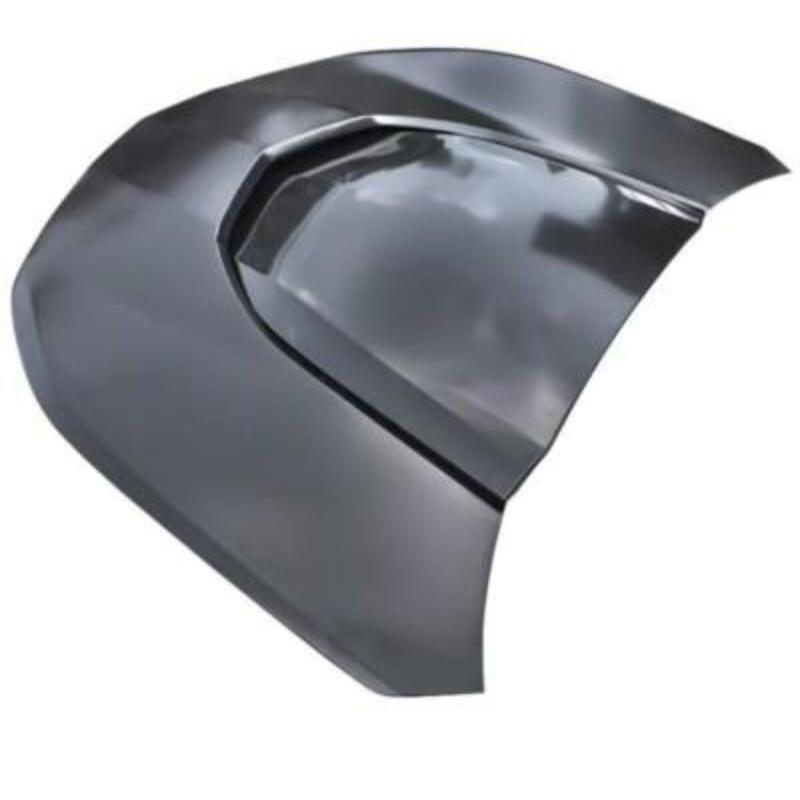
غطاء المحرك — أو الغطاء الأمامي، حسب مكان إقامتك — لا يقتصر دوره على أن يكون مجرد عنصر زيني. فهو يحمي حجرة المحرك من المطر وحطام الطريق، كما صُمم ليتشوه بطريقة محددة أثناء الاصطدام لمنع انتقال القوة مباشرةً إلى قمرة القيادة. وفي المركبات الحديثة، يستوعب هذا الغطاء فتحات غسالات الزجاج، وبطانات عازلة، وأحيانًا وحدات كاميرات أو رادارات. ولذلك، عند تضرره في اصطدام أمامي، لا يمكن ببساطة تركيب لوحة عامة غير مخصصة واستيعاب الأمر كأنه انتهى.
السؤال الأول الجاد هو ما إذا كنت بحاجة إلى غطاء محرك أصلي من الشركة المصنعة (OEM) أم بديل من السوق الثانوي. فالقطع الأصلية تصنعها الشركة المصنعة للمركبة أو لحسابها، ومُطبَع عليها نفس الرقم الذي يبيعه الوكيل بسعر يبلغ ثلاثة أضعاف السعر. أما أغطية المحرك من السوق الثانوي فتصنعها شركات طرف ثالث وفق مواصفات تركيب مطابقة تمامًا، وبما أنك إن اشتريتها من مورِّدٍ موثوق فإن الفرق الحقيقي في الجودة غالبًا ما يكون ضئيلًا جدًّا. ولورش إصلاح التصادمات التي تعمل على مطالبات التأمين، يُعد الاختيار من السوق الثانوي عادةً الخيار العملي.
المواد تُعَدّ المحطة التالية في الطريق. فمعظم السيارات الشخصية المصنوعة خلال العشرين سنة الماضية تستخدم غطاءً محركًا من الصلب، لأن الصلب رخيص التصنيع بالضغط، وسهل إعادة طلائه، ويحتفظ بالطلاء جيدًا. أما أغطية المحرك المصنوعة من الألومنيوم فقد ظهرت أولًا في المركبات الفاخرة — مثل بي إم دبليو، وأودي، ورينج روفر — ثم انتقلت تدريجيًّا إلى الطرازات الاعتيادية. والألومنيوم أخف وزنًا ويساعد على تحسين كفاءة استهلاك الوقود، لكنه أغلى ثمنًا وأصعب في الإصلاح. أما ألياف الكربون، التي كانت حكرًا على السيارات الخارقة سابقًا، فهي الآن تظهر في التجهيزات الأداء المُصنَّعة خارج خطوط التجميع. وهي أخف بكثير من الصلب أو الألومنيوم، لكنها هشّة جدًّا — فالاصطدام الخفيف الذي يُحدث طَبْقًا في غطاء محرك من الصلب قد يُسبب شقًّا عميقًا في غطاء من ألياف الكربون.
وهناك قاعدة واحدة أهم مما يدرك معظم المشترين: يجب أن تتطابق المادة مع المادة الأصلية. فإذا كان غطاء محرك سيارتك مصنوعًا من الصلب، فاستبدله بآخر من الصلب. وإذا كان مصنوعًا من الألومنيوم، فلا تحاول التوفير بالمال عبر تركيب غطاء من الصلب بدلًا منه — لأن المفاصل مُ calibrated لوزنٍ معيّن، وبمزيج المواد قد تصبح سيارتك أقل أمانًا فعليًّا في حالة وقوع حادث حقيقي.
الآن دعونا نتحدث عن أرقام الأجزاء، لأن هذا هو المكان الذي تُفرَّق فيه المحترفون عن الذين يخمنون. كل غطاء محرك يحتوي على رقم جزء أصلي من الشركة المصنعة (OEM). بالنسبة لسيارة فورد إف-١٥٠ لعام ٢٠٢١، الرقم هو ML3Z-16612-C. أما بالنسبة لسيارة تويوتا كامري لعام ٢٠١٩، فهو ٥٣٣٠١-٠٦١٧٠. ويُخبر هذا الرقم المورِّد بدقة بالسنة الطرازية والتجهيزات والمواصفات الإقليمية المطلوبة. فغطاء محرك كامري لعام ٢٠١٨ لا يناسب كامري عام ٢٠١٩، حتى لو بَدَت السيارتان متطابقتين تقريبًا — فقد تغيَّرت مواقع فتحات أجهزة الاستشعار، وتغيَّرت أنماط الضلعين الداعمين، وتحوَّلت ثقوب التثبيت بضعة ملليمترات.
احذر من الإعلانات التي تصف غطاء المحرك بأنه "يناسب الطرازات من سنة ٢٠١٥ إلى ٢٠٢٠" لسيارة خضعت لتحديث في سنة ٢٠١٨. ففي تسع حالات من أصل عشر، يجمع هذا الإعلان بين جزأين مختلفين تحت عنوان واحد، ومن المرجح أن تتلقّى الجزء الخطأ. وعند الاتصال بالمورِّد، أرسل له دائمًا الرقم الأصلي المصنّف من قِبل الشركة المصنِّعة (OEM) بدقة، أو على الأقل سنة الطراز الكاملة ومستوى التجهيز (trim level)، وإن أمكنك ذلك، أرسل رقم المركبة التعريفي (VIN). وسيؤكّد مورِّد قطع هيكل السيارات الجاد توافق القطعة قبل الشحن. فإن لم يطلب منك هذه المعلومات، فهذا إنذارٌ أحمر.
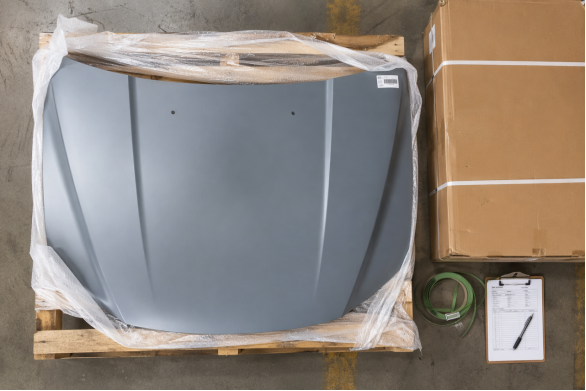
التغليف يكتسب أهمية أكبر مما يدركه معظم المشترين. فغطاء محرك السيارة قطعة كبيرة ومسطحة وهشة نسبيًّا، وستقطع آلاف الكيلومترات عبر الشاحنات والبواخر قبل أن تصل إليك. وبالفعل، فإن غطاء المحرك المرسل في علبة رقيقة مغلفة بطبقة واحدة فقط من الفقاعات البلاستيكية سيصل غالبًا مُحدثًا تجويفات في الزوايا. أما المورِّدون الجيّدون فيستخدمون واقيات رغوية على الزوايا الأربع، وطبقتين من الغلاف المطاطي الممتد، وقاعدة خشبية أو منصّة خشبية للشحنات الأكبر حجمًا. وإن لاحظتَ أي تلفٍ في التغليف الخارجي عند الاستلام، فعليك تسجيل ذلك فورًا في أوراق التسليم قبل مغادرة السائق — فهذه هي فرصتك الوحيدة لتقديم مطالبة ضمن الضمان لاحقًا.
الدهان هو التفصيل الآخر الذي يفاجئ الناس. فمعظم غطاء المحرك البديل المُباع في السوق يأتي مغطىً بطبقة أولية — وهي طبقة رمادية أو سوداء غير لامعة تحمي المعدن من الصدأ أثناء الشحن والتخزين. وهذه الطبقة الأولية ليست الدهان النهائي. ولذلك، يجب مطابقة لون الغطاء مع لون سيارتك ودهنه بواسطة ورشة متخصصة في إصلاح الهياكل قبل التركيب. ويظن بعض المشترين أن الطبقة الأولية هي التشطيب النهائي، فيقومون بدهن الغطاء بأنفسهم في مكان الوقوف، فيتقشّر هذا الدهان خلال ستة أشهر. لذا، احسب تكلفة الدهان ضمن ميزانيتك عند شراء الغطاء نفسه.
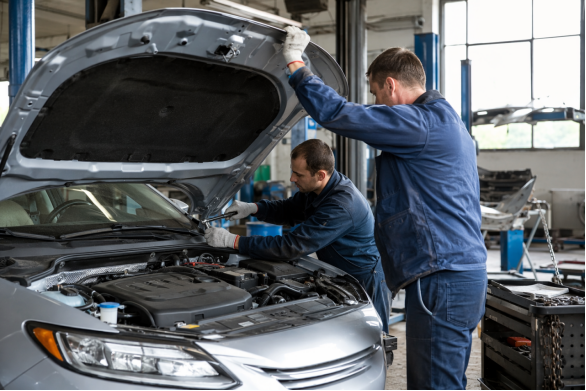
التثبيت بسيطٌ لأي شخص سبق له العمل على السيارات، لكنه ليس عملاً فرديًّا. تزن غطاء محرك السيارة الحديث من اثني عشر إلى خمسة وعشرين كيلوجرامًا، ويستلزم محاذاة الغطاء بدقة مع المصدات الأمامية وجود شخصَين على الأقل. يجب أن تكون المسافة بين غطاء المحرك والمصدات متساويةً على الجانبين — وتتراوح عادةً بين ثلاثة وخمسة ملليمترات حسب الطراز. فإذا بدت الفجوات غير متساوية، فلا تحاول إجبارها. فالمفصلات مزوَّدة بفتحات ضبطٍ مخصصةٍ لضبط المحاذاة بدقة، وسيخصص ورشة الإصلاح الجيدة عشرين أو ثلاثين دقيقةً فقط لضبط هذه الفجوات.
المكان الذي تشتري منه يهم بقدر ما يهم ما تشتريه. وهناك ثلاثة مصادر رئيسية: الموزّعون المعتمدون، وورش قطع الغيار المحلية، والمورّدون المباشرون من مراكز التصنيع مثل الصين وتايوان وتركيا. ويوفّر لك الموزّعون المعتمدون قطع الغيار الأصلية (OEM) بأعلى سعر، مع أسرع وقت تسليم إذا كانت القطعة متوفرة في المخزون المحلي. أما الورش المحلية فتزيد أسعار الجملة لتغطية نفقات التشغيل، لكنك تستطيع فحص القطعة قبل الشراء. أما المورّدون المباشرون فيقدّمون أفضل الأسعار، لكنهم عادةً ما يطلبون أوامر شراء بكميات حدّها الأدنى أكبر، مع أوقات شحن أطول. ولورشة إصلاح السيارات التي تقوم بإجراء بضعة مئات من عمليات الإصلاح سنويًّا، فإن الشراء المباشر غالبًا ما يكون أكثر جدوى ماليًّا — فبعض المورّدين الصينيين يشحنون أكثر من مئتي حاوية بطول ٤٠ قدمًا من قطع الهيكل سنويًّا، ما يعني أن لديهم مخزونًا كبيرًا ويمكنهم الاستجابة بسرعة للطلبات الخاصة.
شيءٌ أخيرٌ يستحق الذكر: الضمان. يمتد الضمان القياسي على قطع هيكل السيارات aftermarket من ثلاثين يومًا بالنسبة للعيوب الجمالية إلى سنة كاملة بالنسبة للعيوب الهيكلية. اقرأ الشروط قبل الشراء، واحتفظ بفاتورتك ووثائق التغليف. فإذا وصل غطاء المحرك مع عيب تصنيعي — مثل ثقوب تثبيت غير مُحاذاة أو سطح مشوّه أو حواف تالفة — فيجب أن يُمكنك الحصول على بديل أو استرداد المال دون أي نزاع. والمورِّدون الذين لا يُدرجون شروط الضمان كتابيًّا هم عادةً نفس المورِّدين الذين لا يردّون على الهاتف عند حدوث مشكلة.
شراء غطاء محرك بديل ليس علمًا صاروخيًّا، لكنه أيضًا ليس نوع الشراء الذي تضغط فيه على أرخص قائمة في سوق عشوائي وتتمنى الأفضل. تأكَّد من رقم المصنِّع الأصلي (OEM)، وتطابق المادة الأصلية، وتحقَّق من المورِّد، واحسب تكلفة الطلاء والتركيب قبل أن تُقدِم على الشراء. افعل ذلك، وسيكون الإجراء كله سلسًا. وأهمِل هذه الخطوات، وستجد نفسك تقرأ مقالًا مختلفًا تمامًا الشهر المقبل — عن كيفية تجنُّب شراء الغطاء الخطأ مرتين.
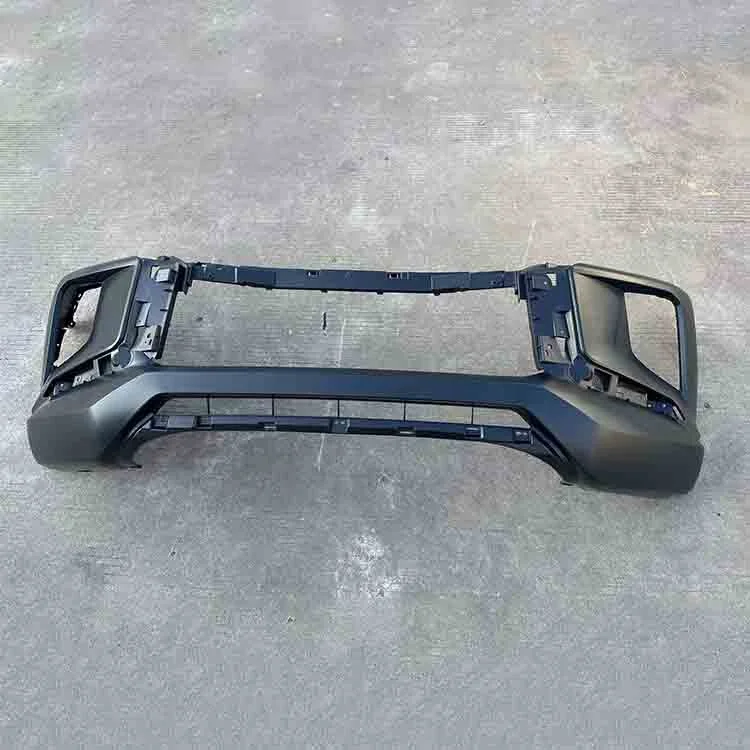
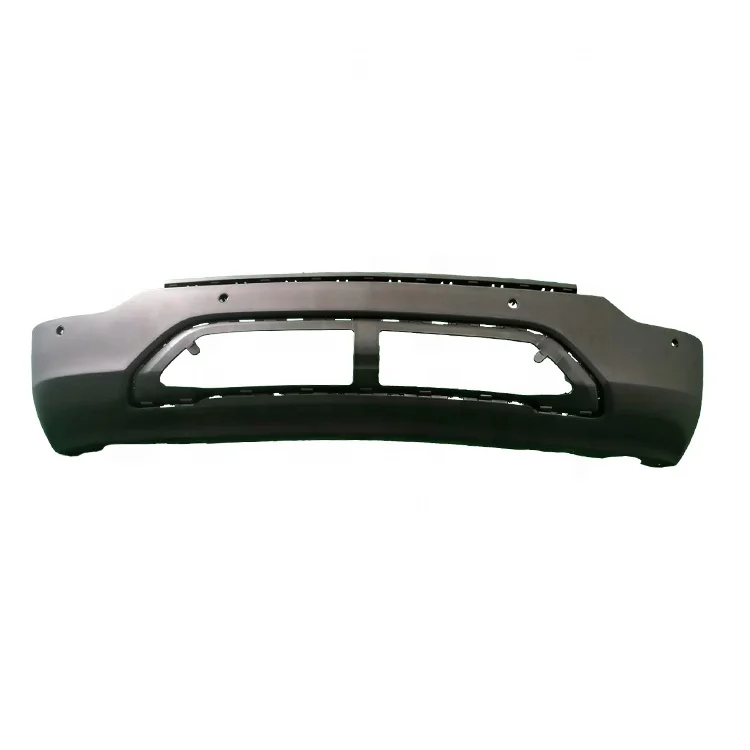
هل لديك طراز معيَّن في بالك؟ أرسل إلينا رقم هيكل المركبة (VIN) أو رقم قطعة المصنِّع الأصلي (OEM)، وسنتحقَّق فورًا من توافرها وسعرها. نحن نشحن أغطية المحركات والمصدات والمقصَّرات وأجزاء الهيكل الكاملة إلى جميع أنحاء العالم — تواصل معنا عبر صفحة الاتصال أدناه.
 الأخبار الساخنة
2026-09-05
2026-08-27
2026-08-21
2026-08-07
2026-07-29
2026-07-22
حقوق الطبع والنشر © يووو رونوين للاستيراد والتصدير المحدودة. جميع الحقوق محفوظة - سياسة الخصوصية
 EN
EN